Sons of Sparta Review: A Fresh Glimpse into God of War's Past
For over two decades, the name Kratos has been synonymous with relentless vengeance, epic mythology, and an unmatched combat spectacle. From his PlayStation 2 debut as the rage-fueled Ghost of Sparta to his more recent, introspective Norse sagas, the God of War franchise has consistently pushed boundaries, allowing players to witness and even influence the evolution of an industry icon. Now, with the unexpected release of God of War: Sons of Sparta, fans are invited on a journey further back in time than ever before, offering a captivating prequel that sheds new light on Kratos's formative years. This God Of War Sons Of Sparta Review explores how this refreshing take on the anti-hero's origins provides not just an entertaining experience, but crucial context for understanding the legend he would become.
A Childhood Forged in Fire: The Young Kratos and Deimos Saga
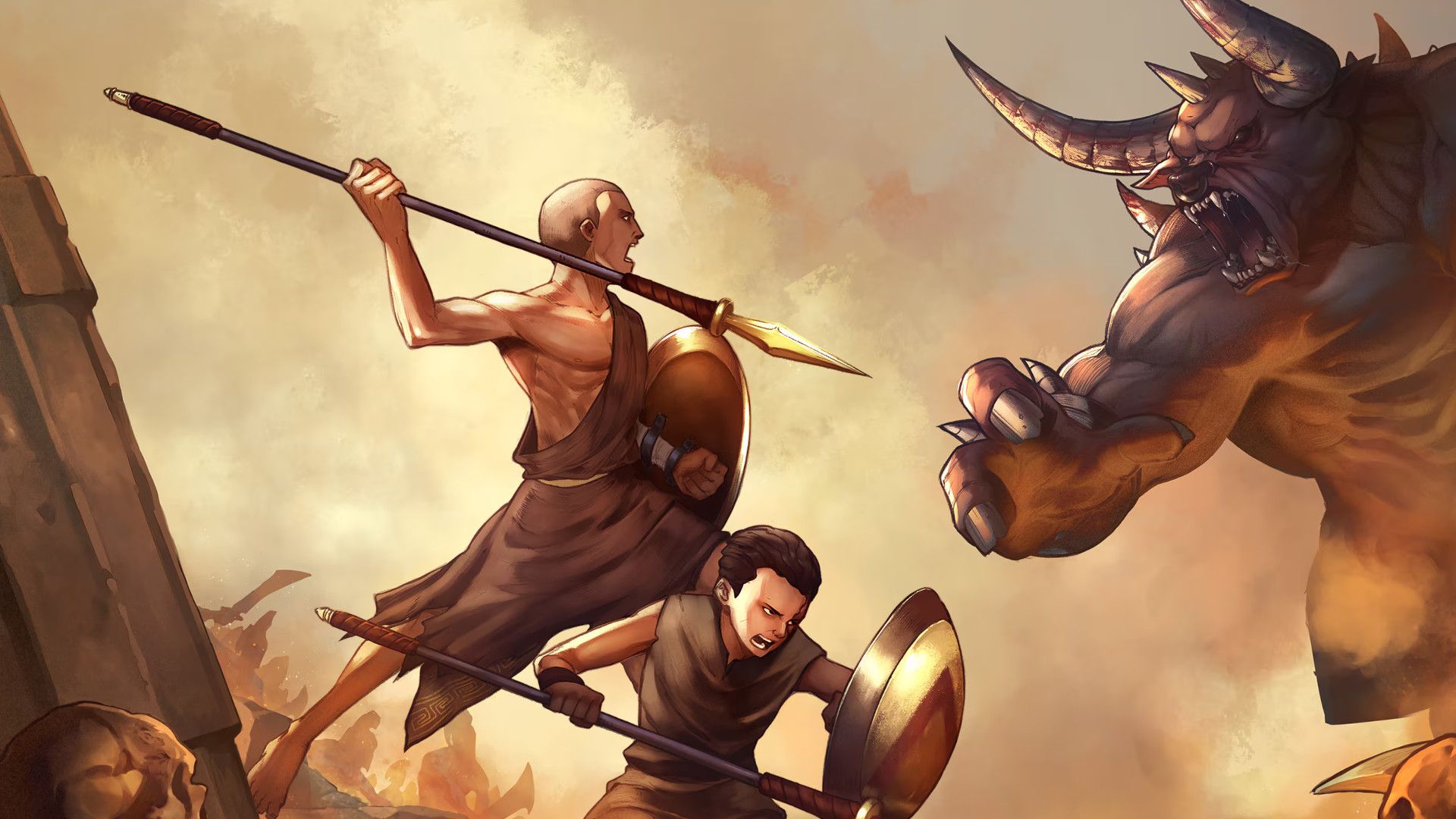
Unlike the epic, god-slaying quests we've grown accustomed to, Sons of Sparta takes us to a surprisingly poignant chapter of Kratos's life: his childhood. Framed beautifully as a story Kratos recounts to his beloved daughter, Calliope – a narrative device masterfully brought to life by the legendary T.C. Carson's narration – the game transports players to a Spartan military conditioning camp. Here, we meet a young Kratos, not yet the grizzled warrior, but an impressionable child adhering strictly to the Spartan ideals of honor and reverence for the gods.
The core of this compelling narrative revolves around Kratos's relationship with his younger brother, Deimos. When a friend goes missing during a field mission, the two brothers embark on a rescue that quickly escalates into something far grander and more perilous than they could have imagined. This sibling dynamic is the beating heart of the game; Kratos, the elder, strives for perfection, while Deimos, the rebel, constantly challenges authority and pushes boundaries. This creates an intriguing contrast that fuels their interactions, shaping their nascent identities amidst the harsh realities of Spartan training. For long-time fans, seeing Deimos again, a character previously explored in God of War: Chains of Olympus, offers satisfying continuity and depth. It's this plausible humanization of Kratos, presented through his bond with Deimos, that profoundly enriches his character, setting a foundational layer for both his infamous rage and his eventual, hard-won humanity seen in the Norse sagas. To delve deeper into this pivotal period, read our companion piece: God of War Sons of Sparta: Kratos's Untold Childhood Saga.
Innovative Gameplay Meets Classic Exploration
Mega Cat Studios has done a remarkable job of infusing the rich narrative directly into the gameplay experience. Unlike many titles where story beats can feel like interruptions, Sons of Sparta ensures the plot remains at the forefront, weaving periodically delivered story beats seamlessly between stretches of engaging gameplay. This method not only keeps players actively invested in the unfolding tale but also makes every task feel purposeful, directly contributing to the brothers' perilous journey.
The world itself is a masterclass in interconnected design. Players traverse a vast, labyrinthine environment that constantly beckons discovery. Early on, you might feel somewhat constrained, but as you gain new abilities, the world truly opens up, inviting deeper exploration. These newly acquired skills aren't just for combat; they enhance your traversal potential, allowing you to venture into previously inaccessible areas and uncover the world's many secrets. Branching paths lead to hidden challenge rooms, valuable items, and crucial lore fragments, rewarding diligent exploration. While the game adheres to certain genre conventions, its meticulously crafted level design ensures that uncovering each new area is a genuine pleasure. To truly maximize your experience, we recommend taking the time to fully explore every nook and cranny; the hidden rewards often provide significant advantages, especially in later, tougher encounters.
Combat: Familiarity with a Fresh Twist
While the setting and Kratos's age might be different, the core combat philosophy remains distinctly God of War, albeit with a fresh set of tools. Equipped with a spear and shield, Kratos's early combat style is more agile and defensive than the brutal, chain-bladed onslaught of his adult years. You'll engage in melee strikes that can be upgraded through a skill tree, allowing for varied output and personalized combat approaches. This tree also lets you improve your gear, adding stat boosts and special attacks that give you an edge on the battlefield. The initial pace of combat and progression might feel slow, but as you unlock more abilities and gear upgrades, both your combat options and traversal potential expand dramatically, leading to a deeply satisfying power curve.
Enemies, too, present a familiar challenge. Each creature boasts a distinct attack pattern that demands careful reading and precise countering. What's truly surprising, and delightfully anchors the experience, is how many of these enemy patterns mirror those found in later games of the franchise. This clever design choice adds a sense of familiarity, reinforcing the notion that you are indeed playing as a young Kratos, learning the ropes of combat that will define his future. Defensive maneuvers are paramount here; mastering the dodge, parry, and block mechanics is crucial for survival, particularly against more formidable foes. Practical tip: Invest in defensive upgrades early on. A sturdy shield and improved dodge window can be the difference between victory and defeat in intense encounters. For an in-depth look at how Deimos influences combat and the evolution of Kratos's fighting style, see our article: Sons of Sparta: Deimos, Dynamic Combat, and Kratos's Origin.
Beyond the visceral combat, Sons of Sparta also intersperses its challenges with environmental puzzles and engaging platforming segments, providing welcome breaks and adding another layer of complexity to the exploration.
The Broader Impact: A Prequel Done Right
God of War: Sons of Sparta emerges as a genuine treat for fans of the franchise. It’s a "safe" game in the sense that it doesn't radically reinvent the wheel of storytelling or gameplay, but its safety lies in its unwavering commitment to deepening existing lore and character. This game doesn't just fill in gaps; it actively builds bridges between the classic PS2-era Kratos and the more mature, nuanced Kratos of the Norse sagas. By offering a raw, unfiltered look at his childhood, it provides invaluable context for the rage that would later consume him and the tragic events that shaped his destiny. It’s a compelling argument that Kratos was never just a one-dimensional rage monster, but a boy trying to live up to ideals, already grappling with immense challenges.
The narrative framing, the nuanced portrayal of the Kratos-Deimos dynamic, and the clever integration of familiar gameplay elements make this a truly fitting reinterpretation of everyone's favorite godslayer. It's a testament to Mega Cat Studios that they managed to craft a prequel that feels both fresh and essential, enriching an already legendary saga.
Conclusion
In summation, God of War: Sons of Sparta is far more than just a nostalgic trip; it's a vital piece of the Kratos puzzle. It offers a unique perspective on his origins, humanizing the legend before the chaos. With its engaging narrative, well-crafted world design, and satisfying combat, it’s a must-play for any fan seeking to understand the Ghost of Sparta before he earned his infamous title. This God Of War Sons Of Sparta Review wholeheartedly recommends diving into this compelling prequel – you won't just witness Kratos's past, you'll gain a deeper appreciation for his entire journey.